Tagline
Layers, Layers, Layers: Surviving a Welsh or Scottish Winter
If you’ve ever stood on a hill in Wales or Scotland in between October and March, you’ll know the weather has a mind of its own. One minute you’re freezing, the next you’re sweating, then the rain rolls in sideways just to keep things interesting.
I used to think the answer was one massive fleece. You know the type - patterned, bulky, and guaranteed to leave you either roasting or shivering with no in-between. Turns out, the secret isn’t in one big layer, but lots of thin ones you can mix up throughout the day.
1. Base layers are your best friend
Start with something thin and close to your skin that wicks away sweat. Wool or modern synthetics both work. The point is to keep the damp off you so you don’t freeze when you stop moving.
2. Mid-layers for mix and match
This is where I ditched the old-school heavy fleece. Modern kit, like Mountain Equipment’s Lumiko fleece, is lighter, warmer, and dries faster. Because they’re thinner, you can stack them up without feeling like the Michelin Man - I am 100% converted!
3. Shells: your storm shield
Wind and rain are a given in the UK hills, so a decent waterproof shell is worth its weight in gold. It doesn’t have to be top-end - just something that actually keeps the rain out and doesn’t turn you into a sweaty mess.
4. Synthetic down isn't just a cheap alternative
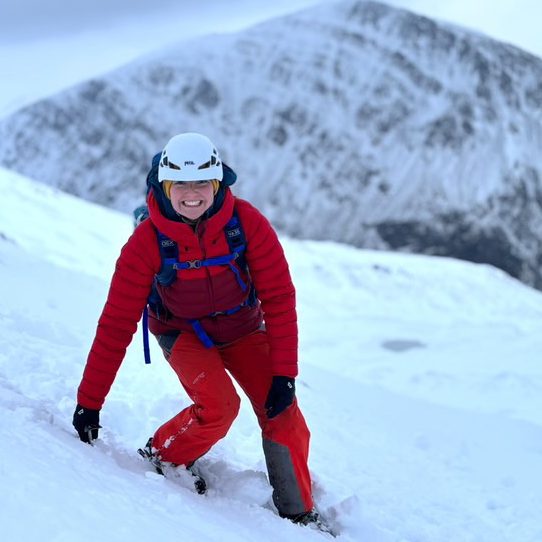
Here’s my number one recommendation: carry a synthetic insulated jacket as your “emergency warmth.” I’ve found Mountain Equipment’s synthetic belay jackets to be brilliant for this. Even if you don’t put it on during the day, it stays dry in your pack and is a lifesaver if you stop, get super cold, or just want something cosy at the end of the day. Real down is lighter and packs smaller, but in Scotland or Wales, where “damp” is pretty much guaranteed, synthetic is far more reliable.
5. Gloves, gloves, and more gloves
If there’s one bit of kit you’ll thank yourself for, it’s spare gloves. I take at least three pairs - thin liners for walking in, thicker insulated gloves for when it’s really biting, and a dry backup pair stuffed in my bag for when (not if!) the others get soaked. Mountain Equipment do some great technical gloves, but honestly, even cheaper ski gloves at the bottom of your pack are better than nothing.
6. Don’t panic about brands
I’ve been lucky to work with the Mountain Equipment team, and their kit has been a real step up for me. But honestly, I still buy loads of my outdoor gear second-hand. Places like Vinted and eBay are brilliant for finding bargains, and it means you can build up your kit bit by bit without breaking the bank. Buying everything new at once is near impossible, so don’t feel pressured. Think layers, not labels – whether it’s a second-hand fleece, a supermarket base layer, or an outlet shell, it all adds up to the same thing: staying warm and comfortable outdoors.
The bottom line
Winter in the UK hills is unpredictable, but with the right layers you can laugh at the weather instead of letting it ruin your day. Thin, versatile, and quick-drying beats bulky and sweaty every time. And if you only add one thing to your pack - make it a synthetic down jacket you can throw on when you’re cold, tired, and need a warm hug!